
Why Professional Email Writing Matters for Modern Businesses and How a Digital Solution Provider Can Help
Email writing shapes how customers see your business, often more than most owners realize. Think about the last time an email changed your opinion of a company. Maybe a supplier replied with a clear, friendly message and you felt confident working with them. Or maybe a rushed, confusing email made you hesitate. Either way, a few lines of text shaped a business decision.
That is why good email writing deserves more attention than it usually gets. For small business owners, startups, freelancers and e-commerce brands, email is often the first personal contact with a lead and the main way to keep customers. It is also where your brand voice shows up in the most direct way.
In this guide we look at why professional emails matter, the mistakes that quietly cost businesses opportunities, and practical habits you can use today. We also explain how a digital solution provider can connect your emails, website, content and marketing into one consistent experience.
What Is Email Writing?
Email writing is the skill of planning and composing messages that are clear, purposeful and suited to the reader. It goes beyond grammar. Good email writing means knowing what you want the reader to understand or do, then shaping the subject line, opening, body and closing to make that easy.
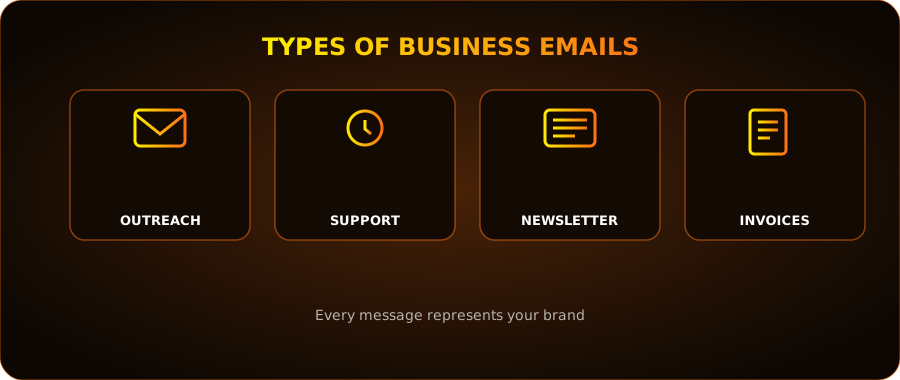
In a business setting it covers many kinds of messages:
- Introductions and cold outreach to potential clients
- Replies to customer questions and support requests
- Proposals, quotations and follow-ups
- Newsletters, promotions and automated email sequences
- Internal updates, invoices and reminders
Some businesses handle all of this email writing in-house. Others use email writing services or work with a partner who supports content and communication as part of a wider digital plan.
Why Professional Email Writing Matters
Email is still one of the most widely used channels in business. Even with chat apps and social media, contracts, invoices, onboarding steps and formal decisions usually end up in an inbox. That makes the quality of your emails a direct reflection of the quality of your business.
Email writing builds first impressions and trust
A new client often meets you through an email before they see your website or hear your voice. A polished message with a clear purpose suggests you are organized and reliable. Typos, vague requests and a careless tone suggest the opposite, fair or not.
It saves time on both sides
Clear email writing answers questions before they are asked. Instead of five back-and-forth replies to fix a misunderstanding, you get one clear response. Over a month, that adds up to hours for a small team.
It supports sales and retention
Strong email writing affects whether people reply, click or buy. Whether you send a proposal follow-up or a welcome email to a new subscriber, the wording affects whether people reply, click or buy. Strong professional communication keeps existing customers feeling looked after, which matters as much as winning new ones.
It protects your reputation
Emails are records. Clear wording reduces disputes, and a respectful tone in difficult moments, such as a delayed order, can turn a frustrated customer into a loyal one.
Common Email Writing Mistakes Businesses Make
Most email writing problems are not dramatic. They are small habits that repeat hundreds of times. Here are the ones we see most often.
- Vague subject lines. "Quick question" or "Update" gives no reason to open. Say what the email is about.
- Burying the main point. If the request appears in the fifth paragraph, many readers will miss it.
- Writing too much. Long blocks of text get skimmed. Short paragraphs get read.
- No clear next step. Readers should know whether to reply, book a call, approve a file or simply read.
- Inconsistent tone. One email is casual, the next is stiff, and the customer wonders who they are dealing with.
- Skipping proofreading. Wrong names, broken links and missing attachments are avoidable and memorable for the wrong reasons.
- Copying the same template for everyone. Readers notice when a message is not really written for them.
A quick example
Weak: "Hi, just checking in about the thing we discussed. Let me know."
Better: "Hi Sara, following up on the website proposal I sent Tuesday. Do you have any questions on the timeline? If it looks right, I can send the agreement by Friday."
The second version is only slightly longer, but it names the subject, gives context and offers a next step.
How Professional Emails Improve Business Communication
Good business communication is about being understood the first time, and email writing is often where that begins. Professional emails help in several ways.
Clear email writing across teams and clients
When everyone writes with a similar structure (purpose, details, action), messages become easier to scan and act on. New team members also learn the standard faster.
Fewer errors and delays
Specific dates, quantities and responsibilities stated in writing prevent the "I thought you meant…" problem. For freelancers and agencies, this is especially useful when scope and deadlines are involved.
A consistent brand voice
Your emails, website copy and social posts should sound like the same company. When they do, customers feel a stronger sense of professionalism and familiarity. This is one reason many businesses look for content and communication solutions that cover more than one channel.
Email Writing for Marketing and Customer Engagement
Email marketing is one of the more direct ways to talk to people who have already shown interest in your business. It works best when the writing respects the reader's time and attention.
Welcome and onboarding emails
A new subscriber or customer is usually at peak interest. A short welcome message that explains what to expect, and points to one useful next step, sets the relationship up well.
Newsletters and promotions
Useful newsletters share tips, updates or stories, not only discounts. Promotional emails should be honest about the offer and clear about the deadline, without exaggerated claims.
Abandoned cart and follow-up emails
For e-commerce businesses, a friendly reminder can help customers who left before checkout. Keep the tone helpful, mention the product they viewed and make returning simple.
Email writing for customer service
Marketing does not end at the sale. Clear answers, realistic timelines and a courteous tone strengthen email communication after purchase and often lead to repeat business.
Good email marketing also depends on things outside the email writing itself, including deliverability (see the Google email sender guidelines), a fast, mobile-friendly website, clear landing pages and tracking. That is where a wider set of digital marketing solutions becomes valuable.
How a Digital Solution Provider Can Support Business Growth
A digital solution provider helps businesses solve online challenges using a mix of technology, design, content and marketing. Instead of hiring separate vendors for a website, SEO, branding and communication, you work with a partner who sees how the pieces connect.
How does that relate to emails? Consider a typical customer journey. Someone finds your site through search, reads a blog post, subscribes to your newsletter and later receives a proposal by email. Every step involves digital services and every step involves writing. If the website says one thing and the emails say another, trust drops.
A provider can support this in practical ways:
- Planning the overall digital strategy around your audience and goals
- Building or improving your website, including WordPress development
- Creating SEO-friendly content that attracts the right visitors
- Developing email templates and messaging guidelines that match your brand
- Connecting forms, landing pages and analytics so you can see what is working
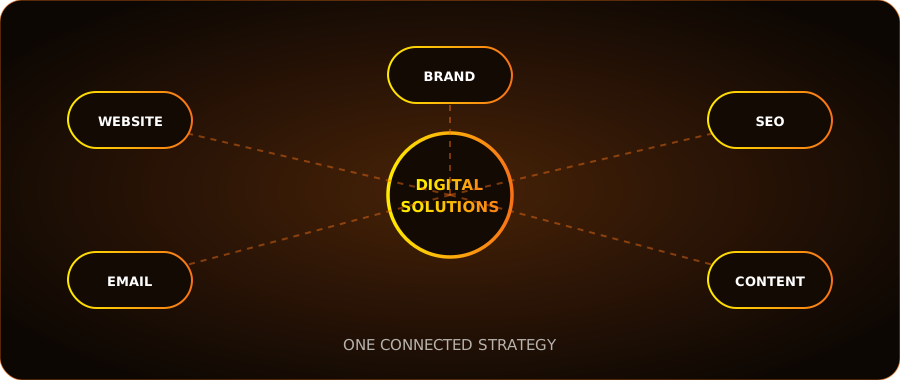
MeetWithZaman works in this space, offering web development, SEO, digital marketing, branding and content and communication support for businesses that want a more professional online presence.
Benefits of Working With a Digital Solution Provider
You do not need a large budget to benefit from outside expertise. Here is what most small and growing businesses gain.
- Joined-up strategy. Website, content, email and campaigns are planned together rather than in isolation.
- Time back for you. Founders and small teams can focus on operations and customers.
- Consistent branding. Design, tone and messaging feel the same everywhere.
- Access to varied skills. Developers, marketers and writers can contribute without you hiring each role.
- Measurable improvement. Analytics and reporting help you decide what to keep, change or drop.
- Room to scale. Systems and templates built early make future growth easier to manage.
Results always depend on your market, budget and consistency, so be cautious of anyone promising guaranteed outcomes. A good partner explains the plan, the timeline and the effort involved.
Email Writing Best Practices
You can improve your email writing immediately with a few habits. Consistency matters more than perfection.
Start your email writing with the reader
Ask what they already know, what they need and what would make replying easy. Then write for that person, not for yourself.
Write a specific subject line
Aim for a short phrase that describes the content, such as "Website proposal: revised timeline for March launch". Avoid all caps and misleading hooks.
Keep email writing short and scannable
Two to three sentences per paragraph is a good guide. Use bullet points for lists, dates or steps.
Use one main goal per email
If you need three different decisions, consider a numbered list or separate emails so nothing gets lost.
Match tone to relationship
A first message to a new client is warmer and more formal than a quick note to a colleague you work with daily. Friendly does not mean careless.
Proofread before sending
Read it aloud once. Check names, links, numbers and attachments. If the email is important, wait a few minutes and read it again.
How to Write Professional Business Emails
Here is a simple email writing structure that works for most situations.
- Subject line: Clear and specific.
- Greeting: Use the person's name where possible.
- Opening line: State why you are writing.
- Body: Give the necessary details in short paragraphs.
- Call to action: Say exactly what you want to happen next.
- Closing: A polite sign-off and a complete signature with your role, business and contact details.
Sample: introducing your services
Subject: Website support for your online store
Hi Ahmed,
I noticed your store is growing its product range, and I wanted to share a few ideas for making product pages faster and easier to find in search.
If it is helpful, I can send a short audit with three practical suggestions. Would that be useful this week?
Kind regards,
Zara Khan
Notice the message is short, specific and low-pressure, and it ends with a simple question.
Email Writing for Different Business Situations
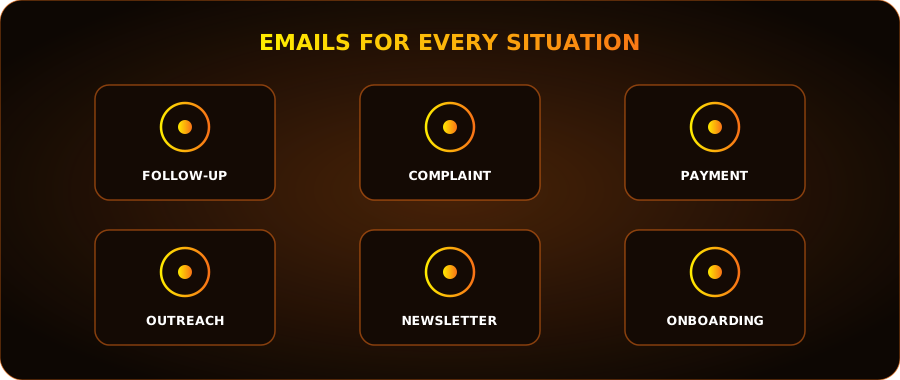
Email writing for proposal follow-ups
Wait a few days, reference the original message, and add something new such as a case example or a clarified deadline. Avoid repeating "just checking in".
Handling a complaint
Acknowledge the issue, avoid defensive language, explain what you will do and give a realistic timeframe. Calm, specific replies resolve more problems than long apologies.
Requesting payment
State the invoice number, amount and due date, and attach the document. A polite, direct tone keeps the relationship intact.
Email writing for bad news
Be honest early, explain the impact, and offer options. Delays and price changes are easier to accept when you communicate them promptly.
Email writing for cold outreach
Personalize the first line, explain the benefit to them, and keep the request small. One clear question is better than a full sales pitch.
Email writing for freelancer pitches
Mention a specific detail about their business, show one relevant piece of work and suggest a short call. Keep it under 150 words if you can.
The Role of Digital Solutions in Modern Business Communication
Email does not work alone. Modern business communication runs across websites, contact forms, chat, social media, CRMs and analytics. Digital solutions connect these tools so messages are timely and relevant.
For example, a contact form can send an automatic confirmation email. A CRM can remind you to follow up. Email platforms can segment lists by interest, so a customer who bought shoes does not receive a message about laptops. Analytics show which subject lines and links get attention.
Technology helps, but it does not replace clear email writing. Automation with poor messaging just delivers poor emails faster. The strongest results come from combining sound systems with thoughtful content, which is why strategy and copy should be planned together.
Why Businesses Need a Strong Digital Presence
When someone receives your email, the next thing many of them do is search your name or visit your website. If the site looks outdated, loads slowly or contradicts your message, the good impression fades.
A strong digital presence includes:
- A responsive, fast website that explains what you offer
- Consistent branding, from logo to email signature
- Helpful content that answers customer questions
- Search visibility, so people can find you when they need you
- Active, professional social profiles
Together these make your emails feel credible because the reader can verify the story elsewhere. Whether it is email writing or your website, a digital service provider can audit these touchpoints and suggest priorities, so you improve the areas that matter most first.
Frequently Asked Questions About Email Writing and Digital Solution Providers
What is email writing in business?
It is the process of planning and composing clear, purposeful messages for customers, partners and teams, including sales emails, replies, proposals and marketing campaigns.
Why is professional email writing important?
It builds trust, reduces misunderstandings, saves time and helps your brand look organized and dependable in every inbox.
What does a digital solution provider do?
It helps businesses with online needs such as website development, SEO, digital marketing, branding and content, often as one connected strategy.
Can a digital solution provider help with email communication?
Yes. A provider can help create templates, messaging guidelines, landing pages and tracking so your email communication matches your website and brand.
How can I improve my email writing quickly?
Use specific subject lines, short paragraphs, one clear goal per email and a defined next step. Always proofread before sending.
Ready to Strengthen Your Business Communication?
Clear emails, a reliable website and consistent content work best together. If you would like support with email writing, digital marketing or a more professional online presence, MeetWithZaman is happy to talk through your goals and suggest practical next steps.
Get In Touch Explore Digital Solutions