
Content Marketing Services: A Complete Guide to Growing Your Business in 2026
Content Marketing Services: A Complete Guide to Growing Your Business in 2026 Content Marketing Content Marketing Services: A Complete Guide to Growing Your Business in 2026 Discover how professional content marketing services help businesses attract customers, improve SEO, build trust, and achieve long-term online growth in 2026. MZ By MeetWithZaman Team August 29, 2026 12 min read Today’s buyers do their homework before reaching out to any business. They read articles, compare options, and look for trustworthy information that answers their questions. Whether someone needs a new website, a digital marketing partner, or professional training, their journey usually starts with a search engine. This shift in behavior is exactly why Content Marketing Services have become essential for businesses that want to grow online. Instead of chasing customers with interruptive ads, content marketing helps you attract the right people by giving them real value upfront. From SEO blog posts and website copy to social media content and case studies, a strong content marketing strategy can help your brand build trust, improve visibility, and generate qualified leads. But doing it well takes more than publishing a few articles. It requires research, strategic planning, an understanding of search intent, and consistent execution. In this guide, you’ll learn what professional content marketing services include, why they matter, and how they can become a powerful part of your digital growth plan. What Are Content Marketing Services? Content Marketing Services are professional solutions that help businesses plan, create, optimize, publish, and promote content tailored to a specific audience. The goal is not to flood the internet with generic posts. It is to develop meaningful content that answers real questions, solves problems, and moves readers closer to a decision. A comprehensive content marketing service typically covers: SEO blog writing — Articles designed to rank for relevant searches while educating readers Website content — Service pages, about pages, landing pages, and product descriptions Social media content — Posts that inform, engage, and build community Case studies — Real-world examples that demonstrate expertise and results Content strategy — A documented plan that ties every piece of content to business goals Keyword research — Identifying the terms your audience actually searches for Email marketing content — Newsletters and sequences that nurture relationships Content optimization — Updating and improving existing content for better performance Content promotion — Distributing content through the right channels to maximize reach When these elements work together under a unified content marketing strategy, every blog post, page, and social update contributes to a larger goal. Why Is Content Marketing Important for Businesses? People now have more information at their fingertips than ever before. That means businesses can no longer rely on traditional advertising alone. You need to show up with useful answers at the exact moment a potential customer is looking for them. Consider how a typical buying journey unfolds. A business owner might first search “How can I improve my website traffic?” After learning about SEO and content, the same person may later search “Best content marketing services for small businesses.” If your website has helpful content that answers both questions, you earn two opportunities to connect with that prospect. Here is why that matters: 1. Builds Brand Awareness Publishing valuable content regularly helps new audiences discover your business. Blog posts, guides, videos, and social content put your brand in front of people who may not have found you otherwise. 2. Improves Search Engine Visibility Search engines need content to understand what your site offers. Well-optimized content gives you a chance to rank for the exact phrases your potential customers are typing into Google. 3. Builds Customer Trust People feel more confident choosing a business when its content demonstrates real knowledge. Educational articles, detailed guides, and transparent FAQs show that you understand your industry and care about helping your audience. 4. Generates Qualified Leads Content attracts people who are already interested in a topic. Someone searching for Content Marketing Services is far more likely to become a client than someone who randomly sees a display ad. 5. Supports Long-Term Growth Paid traffic stops when your budget runs out. A well-written article or guide can continue bringing in organic traffic for months or even years after it is published. That makes content marketing a sustainable, long-term digital marketing strategy. Paid ads stop working the moment your budget runs out — great content keeps working long after you hit publish. Types of Content Marketing Services Not all content serves the same purpose. A professional content marketing company will offer a mix of formats designed to reach people at different stages of their journey. SEO Blog Writing SEO-focused blog posts target the questions and topics your audience is already searching for. Effective blog content matches search intent, uses keywords naturally, provides original insights, and includes clear headings and internal links that help readers explore related topics. Website Content Your website is often the first impression a prospect gets. Professional website content includes homepage copy, service descriptions, about pages, and landing pages that explain who you are, what you offer, and why visitors should take action. Pairing strong copy with reliable custom WordPress development services ensures your message is delivered on a fast, user-friendly site. Social Media Content Social platforms give you a direct line to your audience. A content team can craft posts that educate, entertain, and inform — without making every update feel like a sales pitch. Case Studies Case studies provide proof. They walk potential clients through a clear narrative: the problem, the strategy, the implementation, and the measurable results. This format builds credibility faster than generic claims ever could. Content Strategy Publishing without a plan leads to wasted effort. A solid content marketing strategy for businesses defines your target audience, business goals, priority keywords, content topics, publishing schedule, distribution channels, and performance metrics. With a plan in place, every piece of content has a job to do. How Content Marketing Supports SEO Content marketing and SEO are not separate disciplines. They work best when they
How to Choose the Right Digital Solution Provider for Your Business
“`html What Does a Digital Solution Provider Do? A Complete Guide for Businesses in 2026 Digital Solutions What Does a Digital Solution Provider Do? A Complete Guide for Businesses in 2026 Discover what a professional digital solution provider does, the services they offer, and how they can transform your business. Learn how to choose the right partner for growth. MZ By MeetWithZaman Team August 27, 2026 10 min read In today’s fast-paced digital world, businesses of all sizes are racing to stay ahead of the competition. Whether you are a startup trying to establish your online presence or an established enterprise looking to scale, one thing is clear — you need expert digital support. That is where digital solution provider comes in. But what exactly does a digital solution provider do? How can they help your business grow? And more importantly, how do you choose the right one? In this comprehensive guide, we will break down everything you need to know about digital solution providers, the services they offer, the benefits of working with one, and how to select the perfect partner for your business in 2026. What Is a Digital Solution Provider? A digital solution provider is a company or agency that helps businesses use technology to solve problems, improve efficiency, and drive growth. They act as a strategic partner, offering a wide range of services — from web development and digital marketing to branding and SEO — all under one roof. Unlike freelancers or niche agencies that specialize in just one area, a full-service digital solution provider offers end-to-end digital services. This means you get a cohesive strategy where every digital touchpoint works together seamlessly. Think of a digital solution provider as your business’s digital architect — they design, build, and optimize your entire online ecosystem. Core Services Offered by a Digital Solution Provider A professional digital solution provider typically offers the following services: 1. Web Development & Design Your website is your digital storefront. A digital solution provider creates custom, responsive, and user-friendly websites tailored to your brand and business goals. This includes custom website design and development, e-commerce solutions, landing page design, web application development, UI/UX design, and website maintenance and support. 2. Search Engine Optimization (SEO) Getting found on Google is critical. A digital solution provider optimizes your website to rank higher in search results through on-page and off-page SEO, technical SEO audits, local SEO strategies, link building, and keyword research with content optimization. 3. Digital Marketing From paid ads to organic reach, a digital solution provider crafts data-driven marketing strategies that include social media marketing and management, pay-per-click advertising, email marketing campaigns, performance marketing, and conversion rate optimization. 4. WordPress Development As one of the world’s most popular CMS platforms, WordPress powers a significant share of websites. A digital solution provider offers custom WordPress theme development, WooCommerce integration, WordPress speed and security optimization, plugin development and customization, and WordPress maintenance services. 5. Branding & Identity Your brand is more than just a logo. A digital solution provider helps you build a memorable brand through logo design, brand strategy and positioning, visual identity systems, brand guidelines, and rebranding services. 6. Content Marketing Content is essential in the digital world. A digital solution provider creates and distributes valuable content such as blog writing and management, SEO-optimized website copy, video scripts and production, infographics and visual content, and content strategy with editorial calendars. Why Your Business Needs a Digital Solution Provider in 2026 The digital landscape is evolving faster than ever. Here are the top reasons why partnering with a digital solution provider is essential: Access to Expertise Across Multiple Disciplines Instead of hiring separate teams for web design, SEO, marketing, and content, a digital solution provider gives you access to a full team of specialists — saving you time, money, and coordination headaches. Scalable Solutions for Growing Businesses Whether you are launching a new product or expanding into new markets, a digital solution provider scales their services to match your growth. You only pay for what you need, when you need it. Data-Driven Decision Making Modern digital solution providers use analytics and business intelligence tools to track performance, measure ROI, and make informed decisions that drive real results. Faster Time-to-Market With an experienced team handling your digital projects, you can launch websites, campaigns, and products faster — giving you a competitive edge. Consistent Brand Experience When one team manages your website, social media, content, and ads, your brand message stays consistent across every channel — building trust and recognition. Cost-Effective Compared to In-House Teams Hiring an in-house team of designers, developers, marketers, and SEO experts can be expensive. A digital solution provider can give businesses access to specialized expertise without the overhead of maintaining a large internal team. How to Choose the Right Digital Solution Provider Not all digital solution providers are created equal. Here is a step-by-step guide to finding the perfect partner: Step 1: Define Your Goals Before you start searching, clearly outline what you want to achieve. Do you need a new website? Better SEO rankings? A complete digital rebranding? Knowing your goals helps you find a digital solution provider with the right expertise. Step 2: Review Their Portfolio A reputable digital solution provider will have a strong portfolio showcasing their past work. Look for diversity in projects, results and case studies, clients in your industry, and modern, responsive designs. Step 3: Check Client Testimonials & Reviews What do past clients say? Look for reviews on Google, Clutch, or their website. A trustworthy digital solution provider should have positive feedback and evidence of successful client relationships. Step 4: Evaluate Their Communication The best digital solution providers prioritize transparent communication. During your initial consultation, assess how quickly they respond, whether they ask insightful questions, whether they explain technical concepts clearly, and their project management process. Step 5: Ask About Their Process A professional digital solution provider follows a structured process: Discovery — Understanding your business, audience, and goals Strategy — Creating a tailored
Search Engine Optimisation Service: Complete 2026 Guide
Search Engine Optimisation Service: A Complete Guide to Growing Your Business Online in 2026 SEO Services Search Engine Optimisation Service: A Complete Guide to Growing Your Business Online in 2026 Discover what a professional Search Engine Optimisation Service includes, why it matters in 2026, and how to choose the right SEO partner for your business. SEO By MeetWithZaman Team August 25, 2026 9 min read If you run a business today, chances are your customers are searching for you online before they ever pick up the phone. A well-planned Search Engine Optimisation Service helps your business show up when those searches happen, turning casual browsers into paying customers. SEO isn’t a one-time task or a trick to game Google. It’s an ongoing strategy that combines technical improvements, quality content, and smart planning to help your website earn visibility in search results. In this guide, we’ll break down what SEO services actually involve, why they matter more than ever in 2026, and how to choose a provider you can trust. Whether you’re a small business owner just starting out or a company looking to improve results from a previous SEO effort, this article will give you a clear, practical understanding of what to expect from a professional SEO service. What Is a Search Engine Optimisation Service? A Search Engine Optimisation Service is a professional offering where experts optimize your website and online presence so it ranks higher in search engine results for terms relevant to your business. This typically includes technical fixes, content improvements, keyword targeting, and ongoing performance tracking. Rather than relying on paid ads alone, SEO focuses on earning organic (unpaid) visibility. This means when someone searches for a product or service you offer, your website has a better chance of appearing on the first page of results. A good Search Engine Optimization Company doesn’t just chase rankings for their own sake. The real goal is sustainable, measurable growth — more qualified visitors, more inquiries, and more customers who found you because you answered their search intent better than competitors did. Why SEO Is Important for Businesses in 2026 Search behavior continues to evolve, and so do the algorithms that power search engines. Businesses that ignore SEO risk becoming invisible to potential customers, no matter how good their products or services are. Here’s why investing in professional SEO services matters now more than ever: Search is still where discovery starts. Most buying journeys begin with a search query, whether on Google, YouTube, or even AI-powered search tools. Competitors are already investing in SEO. If your competitors rank higher, they capture the attention and trust that could have gone to you. Search engines reward genuine quality. Modern algorithms favor websites that are fast, secure, mobile-friendly, and genuinely useful — not just keyword-heavy. Organic traffic is cost-effective long-term. Unlike paid ads that stop working the moment you stop paying, SEO builds lasting visibility over time. Local search continues to grow. More people search for services “near me,” making local visibility essential for businesses that serve specific areas. In short, SEO isn’t optional anymore — it’s part of running a competitive, visible business online. What Does an SEO Service Include? A comprehensive Search Engine Optimisation Service covers multiple areas working together. Here’s what a professional engagement typically includes. Keyword Research Keyword research is the foundation of any SEO strategy. It involves identifying the exact terms and phrases your target audience uses when searching for products or services like yours. A solid research process looks at search volume, competition, and — most importantly — search intent, so your content matches what people are actually looking for rather than just chasing popular terms. On-Page SEO On-Page SEO Services focus on optimizing individual pages of your website. This includes title tags, meta descriptions, header structure, internal linking, image optimization, and ensuring your content naturally reflects your target keywords. Good on-page SEO makes it easier for both search engines and human visitors to understand what a page is about and why it’s valuable. Technical SEO Technical SEO Services address the behind-the-scenes elements that affect how well search engines can crawl and index your site. This includes: Site speed and Core Web Vitals Mobile responsiveness Secure HTTPS setup Clean URL structures XML sitemaps and robots.txt configuration Fixing broken links and crawl errors Without a technically sound website, even great content can struggle to rank. This is closely tied to broader website optimization efforts that improve both performance and user experience. Content Optimization Content is what actually earns rankings and engages readers. Content optimization involves refining existing pages, blog posts, and product descriptions so they’re clear, valuable, and aligned with search intent. This isn’t about stuffing keywords into paragraphs. It’s about writing genuinely helpful content that answers real questions your audience is asking. Local SEO For businesses serving specific cities or regions, Local SEO Services are essential. This includes optimizing your Google Business Profile, building consistent local citations, gathering reviews, and targeting location-based keywords. Local SEO helps you appear in map results and “near me” searches — often where the highest-intent customers are looking. Link Building / Off-Page SEO Off-page SEO focuses on building your website’s authority through quality backlinks from other reputable sites. Search engines treat backlinks as a signal of trust and relevance. Ethical link building focuses on earning links through genuine outreach, partnerships, guest content, and digital PR — not shortcuts that can lead to penalties. SEO Performance Monitoring SEO isn’t a “set it and forget it” activity. Ongoing monitoring tracks rankings, organic traffic, conversions, and technical health, allowing your strategy to adapt as search engines and competitors change. Regular reporting also helps you understand what’s actually working and where budget is best spent going forward. Benefits of Professional SEO Services Working with a Professional SEO Services provider offers advantages that are difficult to achieve on your own, especially if you’re managing a business at the same time. Increased organic visibility in relevant search results Better quality traffic from people actively searching for what
Professional Custom Web Development Services for Growing Business
Digital Marketing Services: A Complete Guide for Growing Your Business in 2026 Professional Custom Web Development Professional Custom Web Development Services for Growing Business In today’s digital world, your website is more than an online presence. It is often the first place where potential customers discover your business, learn about your services, and decide whether they can trust your brand. A professional, fast, secure, and user-friendly website can help a growing business attract visitors, generate leads, and build long-term customer relationships. That is why choosing the right web development services is an important investment for businesses that want to grow online. Our professional custom web development approach focuses on creating websites that are designed around your business goals rather than simply using a one-size-fits-all template. Whether you need a business website, eCommerce store, corporate platform, portfolio, landing page, or a more advanced web solution, we develop websites with functionality, performance, usability, and scalability in mind. DM By Website Developer August 20, 2026 10 min read Custom Web Development Designed Around Your Business Every business is different. Your customers, services, goals, and challenges are unique, so your website should reflect those differences. Custom web development allows us to create a digital platform that matches your specific requirements. Instead of forcing your business into a pre-built structure, we consider your brand identity, target audience, content, features, and future growth before developing the website. This approach helps create a website that looks professional while also supporting your business objectives. Our web development services are suitable for startups, small businesses, growing companies, established organizations, and entrepreneurs who want a reliable online platform. We focus on creating practical solutions that are easy to use today and flexible enough to support your future needs. Why Professional Web Development Matters A website can have an attractive design, but design alone is not enough. Visitors expect websites to load quickly, work smoothly, display correctly on mobile devices, and provide an easy way to find information. Professional development brings together design, functionality, performance, and security. A properly developed website can provide a better experience for visitors and make it easier for your business to achieve its online goals. Understanding the WordPress Ecosystem To become proficient in WordPress development, you need to understand the ecosystem that makes WordPress tick. Every WordPress developer works with five essential technologies. HTML structures your content for the browser. CSS styles your website’s appearance and layout. JavaScript adds interactivity and dynamic features. PHP is the backend language that powers WordPress functionality. MySQL is the database that stores all your content, settings, and user data. Think of these as your toolkit. Understanding how they work together is like learning the grammar of a language — once you know it, you can create anything. The WordPress Dashboard When you log into WordPress, you’re greeted by the admin dashboard. Key sections include posts and pages where you create and manage content, the media library for storing images, videos, and documents, appearance for customizing themes, menus, and widgets, plugins for installing and managing extensions, settings for configuring site title, permalinks, and other options, and users for managing team members and permissions. The better you understand your dashboard, the more efficient your WordPress development workflow becomes. The WordPress File Structure A typical WordPress installation has three main folders. The wp-content folder is where all your custom work lives — themes, plugins, and uploads. During development, this folder is your best friend. The wp-core folder contains the WordPress core files. Never edit these directly because updates will override your changes. The wp-admin folder houses the administration interface. The golden rule is to always keep your custom work in the wp-content folder. This ensures updates to WordPress core won’t break your customizations. Creating Your First Custom Theme Theme development is often the entry point for many WordPress developers. Every WordPress theme requires core files to function. Essential Theme Files The style.css file is mandatory. It tells WordPress who created the theme, what it’s called, and defines your site’s styling. Without it, your theme won’t be recognized. The functions.php file acts as your theme’s plugin. It adds features like custom menus, widgets, and image sizes. You can also hook into WordPress actions and filters to modify default behavior. The index.php file is the fallback template. If WordPress can’t find a specific template for a page, it uses index.php. Every theme must have this file. The header.php and footer.php files keep your code DRY. Header.php contains your site’s opening HTML, metadata, and navigation. Footer.php handles closing tags, copyright notices, and scripts. Understanding the Template Hierarchy WordPress uses a smart system called the template hierarchy to decide which file to load. The single.php file is used for individual blog posts. The page.php file is used for static pages. The archive.php file displays category archives, tag archives, and date-based archives. The category.php file overrides archive.php for specific categories. The tag.php file overrides archive.php for specific tags. The 404.php file shows when content isn’t found. The search.php file displays search results. If a specific file doesn’t exist, WordPress falls back to a more general file. For example, if single.php doesn’t exist, it uses index.php. This hierarchy is powerful — it lets you control exactly how each type of content appears. Zaman recommends starting with a child theme when customizing existing themes. This allows you to update the parent theme without losing your customizations. Custom Plugin Development While themes control appearance, plugins control functionality. Custom plugin development is where true innovation happens. You don’t need a custom plugin for everything because many ready-made solutions exist. However, you should build a custom plugin when you need functionality specific to your business that doesn’t exist, when you’re tired of paying recurring fees for premium plugins, when you need to optimize performance for a high-traffic site, when you want to integrate with external APIs or services, or when you’re building a membership site, booking system, or custom e-commerce flow. The Principle of Separation of Concerns This is arguably the most
WordPress Development Guide: Custom Solutions with Zaman
WordPress Development and Custom Solutions with Zaman: Complete Guide 2026 WordPress Development WordPress Development and Custom Solutions with Zaman: WordPress Development Guide Imagine building a website that grows with your business, adapts to your needs, and never holds you back. That’s exactly what WordPress offers — and with the right custom solutions, the possibilities are endless. Z By Zaman Team August 20, 2026 10 min read By the end of this complete guide, you’ll understand the fundamentals of WordPress and why it powers 43% of the web, how to build custom themes and plugins from scratch, best practices that separate amateur sites from professional ones, common mistakes to avoid and how to fix them, and how partnering with Zaman can elevate your WordPress journey. What is WordPress Development? WordPress development involves working with the WordPress content management system to create websites, applications, and digital experiences. But it’s much more than that. It includes theme development which designs the visual appearance of your site, plugin development which adds custom functionality that extends WordPress’s default features, custom post types for creating content structures beyond blog posts and pages, performance optimization to make your site load faster and rank higher on Google, security hardening to protect your website from hackers and vulnerabilities, and database management for optimizing how WordPress stores and retrieves your content. WordPress.org vs WordPress.com One of the first decisions you’ll face is choosing between WordPress.org and WordPress.com. WordPress.org gives you complete freedom. You own your data, install any theme or plugin, customize code, and even monetize without restrictions. This is the recommended path for anyone serious about WordPress development. WordPress.com is a hosted service that’s easier to start but comes with limitations. Lower-tier plans restrict customization and monetization. If you want full control, WordPress.org is the way to go. Zaman always advises choosing self-hosted WordPress if you plan to grow your online presence. The flexibility outweighs the initial learning curve. Understanding the WordPress Ecosystem To become proficient in WordPress development, you need to understand the ecosystem that makes WordPress tick. Every WordPress developer works with five essential technologies. HTML structures your content for the browser. CSS styles your website’s appearance and layout. JavaScript adds interactivity and dynamic features. PHP is the backend language that powers WordPress functionality. MySQL is the database that stores all your content, settings, and user data. Think of these as your toolkit. Understanding how they work together is like learning the grammar of a language — once you know it, you can create anything. The WordPress Dashboard When you log into WordPress, you’re greeted by the admin dashboard. Key sections include posts and pages where you create and manage content, the media library for storing images, videos, and documents, appearance for customizing themes, menus, and widgets, plugins for installing and managing extensions, settings for configuring site title, permalinks, and other options, and users for managing team members and permissions. The better you understand your dashboard, the more efficient your WordPress development workflow becomes. The WordPress File Structure A typical WordPress installation has three main folders. The wp-content folder is where all your custom work lives — themes, plugins, and uploads. During development, this folder is your best friend. The wp-core folder contains the WordPress core files. Never edit these directly because updates will override your changes. The wp-admin folder houses the administration interface. The golden rule is to always keep your custom work in the wp-content folder. This ensures updates to WordPress core won’t break your customizations. Creating Your First Custom Theme Theme development is often the entry point for many WordPress developers. Every WordPress theme requires core files to function. Essential Theme Files The style.css file is mandatory. It tells WordPress who created the theme, what it’s called, and defines your site’s styling. Without it, your theme won’t be recognized. The functions.php file acts as your theme’s plugin. It adds features like custom menus, widgets, and image sizes. You can also hook into WordPress actions and filters to modify default behavior. The index.php file is the fallback template. If WordPress can’t find a specific template for a page, it uses index.php. Every theme must have this file. The header.php and footer.php files keep your code DRY. Header.php contains your site’s opening HTML, metadata, and navigation. Footer.php handles closing tags, copyright notices, and scripts. Understanding the Template Hierarchy WordPress uses a smart system called the template hierarchy to decide which file to load. The single.php file is used for individual blog posts. The page.php file is used for static pages. The archive.php file displays category archives, tag archives, and date-based archives. The category.php file overrides archive.php for specific categories. The tag.php file overrides archive.php for specific tags. The 404.php file shows when content isn’t found. The search.php file displays search results. If a specific file doesn’t exist, WordPress falls back to a more general file. For example, if single.php doesn’t exist, it uses index.php. This hierarchy is powerful — it lets you control exactly how each type of content appears. Zaman recommends starting with a child theme when customizing existing themes. This allows you to update the parent theme without losing your customizations. Custom Plugin Development While themes control appearance, plugins control functionality. Custom plugin development is where true innovation happens. You don’t need a custom plugin for everything because many ready-made solutions exist. However, you should build a custom plugin when you need functionality specific to your business that doesn’t exist, when you’re tired of paying recurring fees for premium plugins, when you need to optimize performance for a high-traffic site, when you want to integrate with external APIs or services, or when you’re building a membership site, booking system, or custom e-commerce flow. The Principle of Separation of Concerns This is arguably the most important concept in WordPress development. If it should work regardless of theme, it belongs in a plugin. Imagine you create custom post types, shortcodes, and business logic inside your theme’s functions.php file. Now imagine switching themes. Your functionality disappears.
Interested in Digital Marketing Services?
Digital Marketing Services: A Complete Guide for Growing Your Business in 2026 Digital Marketing Digital Marketing Services: A Complete Guide for Growing Your Business in 2026 Discover how professional digital marketing services drive real growth. Learn about SEO, social media, PPC, and strategies that actually work. DM By Marketing Expert August 20, 2026 10 min read What Are Digital Marketing Services? Every business wants more visibility, more leads, and more revenue. But in a world where consumers spend over seven hours online daily, traditional marketing alone no longer cuts it. That is where digital marketing services come in. Digital marketing services encompass every strategy, tool, and tactic used to promote a business online. From search engine optimization to paid advertising, email campaigns to social media management, these services help brands reach the right people at the right time. Whether you run a local shop or a global e-commerce store, a solid digital marketing strategy can be the difference between stagnation and scalable growth. In this guide, we will break down the core components of professional online marketing services, explain how they work together, and show you what to look for when choosing a partner. Why Your Business Needs Digital Marketing Now The digital landscape has shifted dramatically. Google processes over 8.5 billion searches per day. Social media platforms have become primary discovery engines. And consumers now expect personalized, immediate interactions with brands. Here is why investing in digital marketing services is no longer optional: Your competitors are already there. Businesses that rank on the first page of Google capture the majority of clicks. If you are not visible, you are invisible. Targeting is more precise than ever. Unlike billboards or TV ads, digital campaigns let you reach specific demographics, interests, and behaviors. Results are measurable. You can track every click, conversion, and dollar spent—something traditional marketing rarely offers. It scales with your budget. Whether you have $500 or $50,000 per month, a skilled digital marketing agency can build a strategy that fits. Core Components of Digital Marketing Services A comprehensive approach to online marketing services includes multiple interconnected channels. Here are the essential services every business should understand. Search Engine Optimization (SEO) SEO services form the backbone of long-term digital growth. SEO is the practice of optimizing your website so it appears higher in organic search results for keywords your customers are already searching for. Effective SEO includes: Technical SEO — fixing site speed, mobile usability, crawlability, and indexation issues On-page SEO — optimizing titles, meta descriptions, headers, and content for target keywords Off-page SEO — building high-quality backlinks and improving domain authority Local SEO — optimizing Google Business Profile and local citations for geographically targeted searches SEO is not an overnight fix. It is a compounding investment. Businesses that commit to consistent SEO services typically see sustained traffic growth, lower customer acquisition costs, and higher trust signals over time. Pay-Per-Click Advertising (PPC) While SEO builds organic visibility, PPC delivers immediate results. Platforms like Google Ads and Microsoft Ads let you bid on keywords and display ads to users actively searching for solutions. A well-managed PPC campaign: Targets high-intent keywords with strong commercial value Uses compelling ad copy and extensions to maximize click-through rates Implements conversion tracking to measure return on ad spend (ROAS) Continuously optimizes based on performance data PPC works exceptionally well when paired with a broader digital marketing strategy, capturing demand while SEO builds long-term equity. Social Media Marketing Social media marketing goes far beyond posting pretty pictures. It is about building community, driving engagement, and converting followers into customers. Different platforms serve different purposes: Platform Best For Content Type Facebook Broad audience reach, community building Video, carousel ads, events Instagram Visual brands, younger demographics Reels, stories, shoppable posts LinkedIn B2B lead generation, thought leadership Articles, case studies, whitepapers TikTok Viral reach, brand personality Short-form video, trends Pinterest Lifestyle, home, fashion, food Inspirational imagery, guides A professional digital marketing agency will help you identify which platforms align with your audience and create a content calendar that drives real business outcomes—not just vanity metrics. Content Marketing Content is the fuel that powers SEO, social media, and email campaigns. High-quality content educates your audience, answers their questions, and positions your brand as an authority. Strong content marketing includes: Blog posts and articles optimized for search intent Case studies that demonstrate real results Whitepapers and ebooks for lead generation Video content for engagement and explainers Infographics that simplify complex topics The key is consistency. Sporadic blogging does not build authority. A structured content plan aligned with your digital marketing strategy creates momentum. Email Marketing Despite the rise of social platforms, email remains one of the highest-ROI channels available. A well-segmented email list gives you direct access to people who have already expressed interest in your brand. Effective email marketing involves: Welcome sequences that nurture new subscribers Promotional campaigns tied to product launches or seasonal events Automated drip campaigns that guide prospects through the buyer’s journey Re-engagement campaigns to win back inactive subscribers Conversion Rate Optimization (CRO) Driving traffic is only half the battle. CRO focuses on turning visitors into leads and customers by improving user experience, messaging, and design elements on your website. CRO tactics include: A/B testing headlines, CTAs, and page layouts Simplifying checkout or contact forms Adding trust signals like reviews and security badges Improving page load speed and mobile responsiveness How to Choose the Right Digital Marketing Agency Not all digital marketing services are created equal. The agency you choose will directly impact your results, your budget, and your sanity. Here is what to evaluate: Proven Track Record — Look for case studies, client testimonials, and measurable results. A reputable agency should be able to show you before-and-after metrics for businesses similar to yours. Transparent Reporting — You deserve to know where your money goes. Avoid agencies that hide behind vague jargon. Insist on regular reports that clearly show traffic, conversions, and ROI. Customized Strategy — Beware of cookie-cutter packages. Your business is unique, and your
Why Every Business Needs Digital Marketing in 2026
Digital-marketing-2026 is the ultimate strategy for modern entrepreneurs, because knowing why every business needs digital-marketing-2026 helps you understand that the way we conduct commerce has shifted dramatically toward a digital-first economy. If you’re still relying on traditional methods like billboards, flyers, or word-of-mouth alone, you’re missing out on the most powerful growth engine available today. As we navigate through 2026, the digital landscape has become much more than just an alternative channel—it is the core foundation of how brands survive, scale, and thrive in an aggressive market. Furthermore, exploring comprehensive industry resources like Search Engine Journal can help you stay ahead of fast-moving algorithmic updates. If you are a business owner or a professional looking to scale your enterprise, mastering digital-marketing-2026 is no longer optional—it is an absolute corporate necessity to ensure long-term profitability and sustainable commercial expansion in a crowded global marketplace. 1. Your Customers Are Already Online Through digital-marketing-2026 It’s a simple truth: before a modern consumer makes a purchase decision, they search. They check Google, scroll through social media feeds, watch product reviews on video platforms, and read online testimonials. If your business isn’t visible where your target audience spends their time, you are effectively invisible. Leveraging digital-marketing-2026 ensures that your brand appears at the exact moment a potential customer is actively looking for a solution, maximizing your conversion rates effortlessly. 2. AI-Powered Personalization and digital-marketing-2026 In 2026, customers don’t just want generic products; they demand hyper-personalized experiences tailored to their exact needs. With the rise of advanced artificial intelligence, businesses can now offer customized content, smart product recommendations, and automated customer service that feels human and helpful. Effective digital-marketing-2026 strategies allow you to leverage these tools to build deeper relationships at scale, turning casual visitors into dedicated brand loyalists. 3. Data-Driven Decisions with digital-marketing-2026 Remember the old frustration of wasting advertising budgets without tracking results? Modern digital-marketing-2026 eliminates that guesswork entirely. Every click, view, impression, and conversion generates actionable data. This allows you to track your Return on Investment (ROI) in real-time, refine your strategies based on empirical evidence, and optimize your financial budget for high-performing campaigns that yield maximum financial returns. 4. Leveling the Playing Field Using digital-marketing-2026 One of the most democratic aspects of digital-marketing-2026 is that it allows small local businesses to compete directly with massive industry giants. With precise targeting options—by location, interest, age, and browsing behavior—you don’t need an exorbitant corporate budget. A well-crafted, highly targeted digital campaign can outperform an expensive broadcast ad, highlighting why mastering digital-marketing-2026 is crucial. For internal reference, read our guide on Digital Business Strategy Optimization to enhance your execution. 5. Building Long-Term Trust Through digital-marketing-2026 Modern consumers value brand authenticity above everything else. Through effective digital-marketing-2026 practices like content marketing, social media engagement, and community building, you can show the human side of your business. By consistently providing value through helpful blogs and transparent communication, you build credibility and trust that turns casual buyers into loyal brand advocates who happily promote your services organically. The Bottom Line on digital-marketing-2026 In 2026, the digital divide is clear: there are businesses adapting quickly to the digital-first era and those being left behind. Embracing digital-marketing-2026 proves to be the fastest, most reliable way to grow your brand, connect with your audience, and secure your place in a competitive market while staying ahead of your primary competitors. Ready to Take the Next Step? Whether you’re looking to master these skills yourself to grow your own venture or want to start a professional career as an industry expert, the best time to start is today. At meetwithzaman.com, we provide the practical training and expert guidance you need to master digital-marketing-2026 and navigate this landscape with absolute confidence. Don’t just watch the digital revolution happen—lead it!
Grow Your Business Using Social Media
July 23, 2026 zamankhan45041@gmail.com Grow Your Business Using Social Media Social media has transformed the way businesses connect with their customers. With billions of active users across platforms like Facebook, Instagram, LinkedIn, TikTok, and X (formerly Twitter), social media is no longer just a place to share updates—it’s a powerful marketing channel that helps businesses build brand awareness, engage audiences, generate leads, and increase sales. Whether you’re a startup, a local business, or an established company, an effective social media strategy can help you reach your target audience and grow your business faster than ever before. In this guide, we’ll explore how social media marketing drives business growth and the best strategies to maximize your success. Why Social Media Matters for Business Growth Consumers spend hours each day on social media platforms, discovering new brands, researching products, and interacting with businesses. When you want to grow your business using social media, having an active presence allows you to meet potential customers where they already spend their time. Key benefits include: Increased brand visibility Higher customer engagement More website traffic Better lead generation Stronger customer relationships Increased sales opportunities Improved brand credibility Businesses that consistently invest in social media marketing and learn how to grow their business using social media often experience stronger customer loyalty and long-term success. 5 Ways Social Media Helps Grow Your Business 1. Increase Brand Awareness Social media introduces your business to new audiences every day. If you want to grow your business using social media, regularly sharing valuable content helps people recognize your brand, understand your services, and remember your business when they’re ready to make a purchase. Consistency is the key to building a recognizable online presence, and learning how to grow your business using social media ensures long-term brand recall. 2. Reach Your Target Audience Unlike traditional advertising, social media allows you to target specific audiences based on: Location Age Interests Occupation Online behavior Purchase intent This ensures your marketing budget is spent reaching people most likely to become customers. 3. Drive More Website Traffic Every social media post is an opportunity to direct potential customers to your website. Share: Blog articles Service pages Portfolio projects Product launches Special offers Customer success stories Quality traffic from social media can increase inquiries and conversions. 4. Build Customer Trust People prefer businesses that actively communicate with their audience.By responding to comments, answering questions, and sharing valuable content, you demonstrate professionalism and reliability.Customer engagement builds long-term trust and encourages repeat business. 5. Generate High-Quality Leads Social media is an excellent lead generation tool. Use: Lead generation campaigns Contact forms Call-to-action buttons Landing pages Direct messaging Free consultation offers These strategies encourage interested users to connect with your business. Best Social Media Platforms for Businesses Different platforms serve different purposes. Facebook Ideal for local businesses, community building, advertising, and customer engagement. Instagram Perfect for visual brands, product showcases, lifestyle businesses, and short-form video content. LinkedIn Best for B2B companies, professional networking, corporate branding, and lead generation. TikTok Excellent for reaching younger audiences through creative, engaging videos. X (formerly Twitter) Useful for industry updates, customer communication, and sharing timely information. Choose the platforms that best match your audience and business goals. Common Social Media Marketing Mistakes Avoid these common mistakes: Posting inconsistently Ignoring customer comments Using poor-quality visuals Over-promoting products Not understanding your audience Buying fake followers Ignoring analytics Posting without a clear strategy A thoughtful, data-driven approach delivers better long-term results. Measuring Social Media Success Track key performance indicators (KPIs) such as: Follower growth Engagement rate Website traffic Lead generation Conversion rate Click-through rate (CTR) Reach and impressions Return on investment (ROI) Regularly reviewing these metrics helps you identify what’s working and where improvements are needed. Why Work with a Professional Social Media Marketing Agency? Managing social media effectively requires time, creativity, and expertise. A professional digital marketing agency can help you: Develop a customized strategy Create engaging content Manage multiple platforms Run targeted advertising campaigns Monitor performance Generate qualified leads Increase brand awareness Improve ROI Working with experienced professionals allows you to focus on running your business while your online presence continues to grow. Final Thoughts Social media is one of the most effective tools when you want to grow your business using social media. It enables you to connect with your audience, build lasting relationships, increase website traffic, and generate high-quality leads—all while strengthening your brand. Success on social media doesn’t happen overnight, but with a consistent strategy, valuable content, and ongoing optimization, your efforts to grow your business using social media can achieve sustainable results and help you stand out in a competitive digital landscape. Whether you’re just getting started or looking to improve your existing online presence, investing in a strategic social media marketing plan can deliver long-term benefits for your brand.
Evergreen Content Ideas That Generate Traffic
July 23, 2026 zamankhan45041@gmail.com Evergreen Content Ideas That Generate Traffic Creating content that stays relevant and drives traffic long after it is published is one of the smartest investments you can make for your website. When you are looking for practical evergreen content ideas that generate traffic, focusing on timeless topics ensures continuous visitors without requiring constant updates. Whether you are a blogger, business owner, or digital marketer, discovering the right evergreen content ideas that generate traffic is key to building a sustainable SEO strategy. In this guide, we will explore powerful evergreen content ideas that generate traffic and share proven tips to help you create lasting, high-performing content. What Is Evergreen Content? Evergreen content is content that stays useful and relevant regardless of the season or current trends. It answers common questions, solves ongoing problems, and provides information people continuously search for. Examples include: How-to guides Tutorials Beginner’s guides Frequently asked questions Industry best practices Checklists Resource lists Because these topics remain relevant, they continue attracting visitors long after publication. Why Evergreen Content Matters Evergreen content offers long-term benefits that go beyond a temporary spike in traffic. It helps you: Increase organic search traffic Improve Google rankings Build brand authority Generate qualified leads Earn backlinks naturally Reduce long-term marketing costs Keep attracting visitors without constant updates For businesses investing in content marketing, evergreen articles provide one of the highest long-term returns. 5 Evergreen Content Ideas That Generate Traffic 1. How-To Guides Educational content is one of the most searched content types online. Examples include: How to Improve Website Speed How to Create a Digital Marketing Strategy How to Optimize Your Website for SEO How to Build an E-commerce Website Step-by-step guides help readers solve problems while positioning your business as an expert. 2. Beginner’s Guides Many users search for beginner-friendly information before making purchasing decisions. Examples: Beginner’s Guide to SEO Beginner’s Guide to Google Ads Beginner’s Guide to Social Media Marketing Beginner’s Guide to Website Design These comprehensive resources often perform well in search engines because they answer broad, high-volume queries. 3. Ultimate Checklists People love practical checklists they can follow. Examples: Website Launch Checklist SEO Checklist Content Marketing Checklist Digital Marketing Checklist Checklists are highly shareable and encourage readers to save or revisit your content. 4. Frequently Asked Questions (FAQs) FAQ pages answer common customer questions while improving user experience and SEO. Examples: What Is SEO? How Long Does SEO Take? Why Does My Business Need a Website? What Is Local SEO? Well-structured FAQ content can also increase your chances of appearing in Google’s featured snippets. 5. Industry Best Practices Sharing proven methods demonstrates your expertise and builds trust. Examples: Website Design Best Practices Email Marketing Best Practices SEO Best Practices Content Writing Best Practices These articles remain valuable as long as they’re periodically updated. How Evergreen Content Supports SEO Evergreen content plays an important role in search engine optimization by: Targeting long-term search queries Increasing organic traffic Earning natural backlinks Improving dwell time Strengthening internal linking Building topical authority Supporting higher keyword rankings As your library of evergreen content grows, so does your website’s overall authority. Common Evergreen Content Mistakes Avoid these common pitfalls: Choosing topics based only on current trends Publishing thin or low-quality content Ignoring keyword research Using outdated information Failing to optimize images Not updating older articles Missing internal links Overusing keywords Regular content audits help keep evergreen articles accurate and valuable. Measuring Evergreen Content Success Track these key metrics to evaluate performance: Organic traffic Keyword rankings Page views Average time on page Bounce rate Backlinks Conversion rate Lead generation Monitoring these metrics helps you identify opportunities for further optimization. Final Thoughts Evergreen content is one of the most powerful assets in any digital marketing strategy. By creating valuable articles that answer common questions and solve ongoing problems, your business can attract consistent organic traffic, build credibility, and generate qualified leads for years to come. Instead of focusing only on short-lived trends, invest in content that continues to deliver value over time. With proper SEO optimization, regular updates, and a user-focused approach, evergreen content can become the foundation of your website’s long-term growth and online success.
Why Every Business Needs a Professional Website
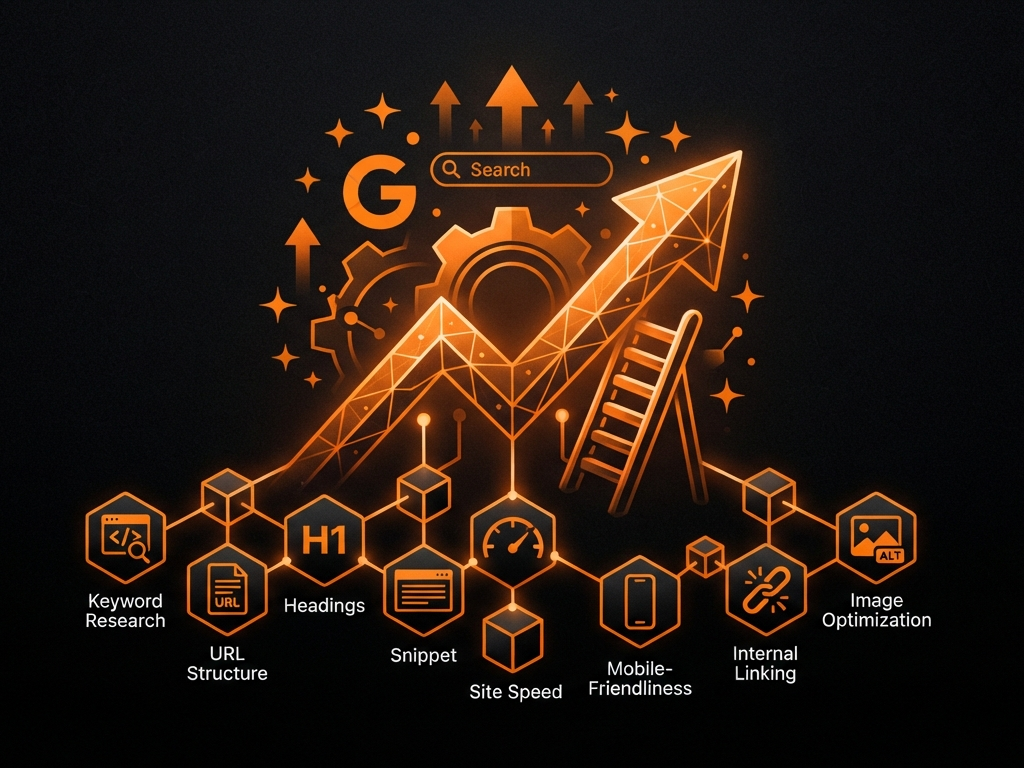
July 23, 2026 zamankhan45041@gmail.com Why Every Business Needs a Professional Website In today’s digital age, having a professional website is no longer optional; it is essential for growth. When you understand why every business needs a professional website, you realize that a well-designed site acts as the core of your entire online presence. Whether you are a startup, a local vendor, or an established company, recognizing why every business needs a professional website helps you build instant credibility, attract targeted leads, and stay ahead of the competition. In this guide, we will explore the major benefits and show you how a powerful online platform can transform your business. What Is a Professional Website? A professional website is a well-designed, user-friendly, and responsive online platform that represents your brand and provides visitors with the information they need. It is optimized for performance, security, search engines, and user experience while encouraging visitors to take action. Unlike outdated or poorly designed websites, a professional website reflects credibility and helps convert visitors into customers. Why Every Business Needs a Professional Website 1. Build Credibility and Trust Consumers expect legitimate businesses to have an online presence. A modern website reassures potential customers that your business is genuine, reliable, and professional. A well-designed website includes: Company information Contact details Customer testimonials Portfolio or previous work Service descriptions Professional branding These elements help build confidence and encourage visitors to choose your business over competitors. 2. Your Business Is Available 24/7 Unlike a physical office, your website works around the clock. Potential customers can: Learn about your services Browse your portfolio Read customer reviews Submit inquiries Request quotes Contact your team This allows your business to generate leads even outside normal working hours. 3. Reach More Customers A professional website removes geographical limitations. Instead of relying solely on local foot traffic or referrals, your business can attract customers from different cities, regions, or even countries. Combined with SEO and digital marketing, your website becomes a powerful customer acquisition channel. 4. Improve Your Google Rankings A professionally developed website follows SEO best practices, making it easier for search engines to understand and rank your content. SEO-friendly websites include: Fast loading speeds Mobile responsiveness Optimized page structure Proper headings Image optimization Clean URLs High-quality content Better SEO leads to increased visibility and more organic traffic. 5. Showcase Your Products and Services Your website acts as a digital showroom where potential customers can explore everything your business offers. You can display: Products Services Pricing Case studies Project galleries Certifications Customer success stories Professional presentation helps visitors make informed decisions. 6. Structure Content with H2 and Hav3 Headings An effective website is designed to convert visitors into customers. Lead generation features include: Contact forms Call-to-action buttons Live chat Quote request forms Newsletter subscriptions Consultation booking These tools make it easy for potential customers to connect with your business. Common Mistakes Businesses Make Avoid these common website mistakes: Slow loading pages Poor mobile responsiveness Outdated design Difficult navigation Missing contact information Broken links Low-quality content Weak calls-to-action Lack of SEO optimization Fixing these issues can significantly improve user experience and conversions. Features Every Professional Website Should Include Your business website should have: Responsive design Fast loading speed SEO optimization SSL security Contact forms Clear navigation Service pages About Us page Portfolio or gallery Customer testimonials Blog section Google Maps integration Social media links Strong calls-to-action These features create a positive user experience and help your business grow. Final Thoughts In today’s digital landscape, a website is no longer just a digital business card; it is the core foundation of your brand. When companies truly understand why every business needs a professional website, they unlock new levels of customer trust, long-term growth, and digital success together. Whether you are launching a startup, managing a local storefront, or expanding an established enterprise, investing in a robust online platform highlights why every business needs a professional website to build credibility and stand out from competitors effortlessly. Ultimately, taking the right steps to establish your web presence ensures that you stay ahead in a competitive market, proving once again why every brand must embrace the digital world to achieve its true potential.